A Practical Guide to Commissioning Craft for Architecture
For architects and interior designers working with handmade materials for the first time — lead times, specification methods, installation requirements and how to brief an artisan.
Bridging the Gap Between Studio and Village
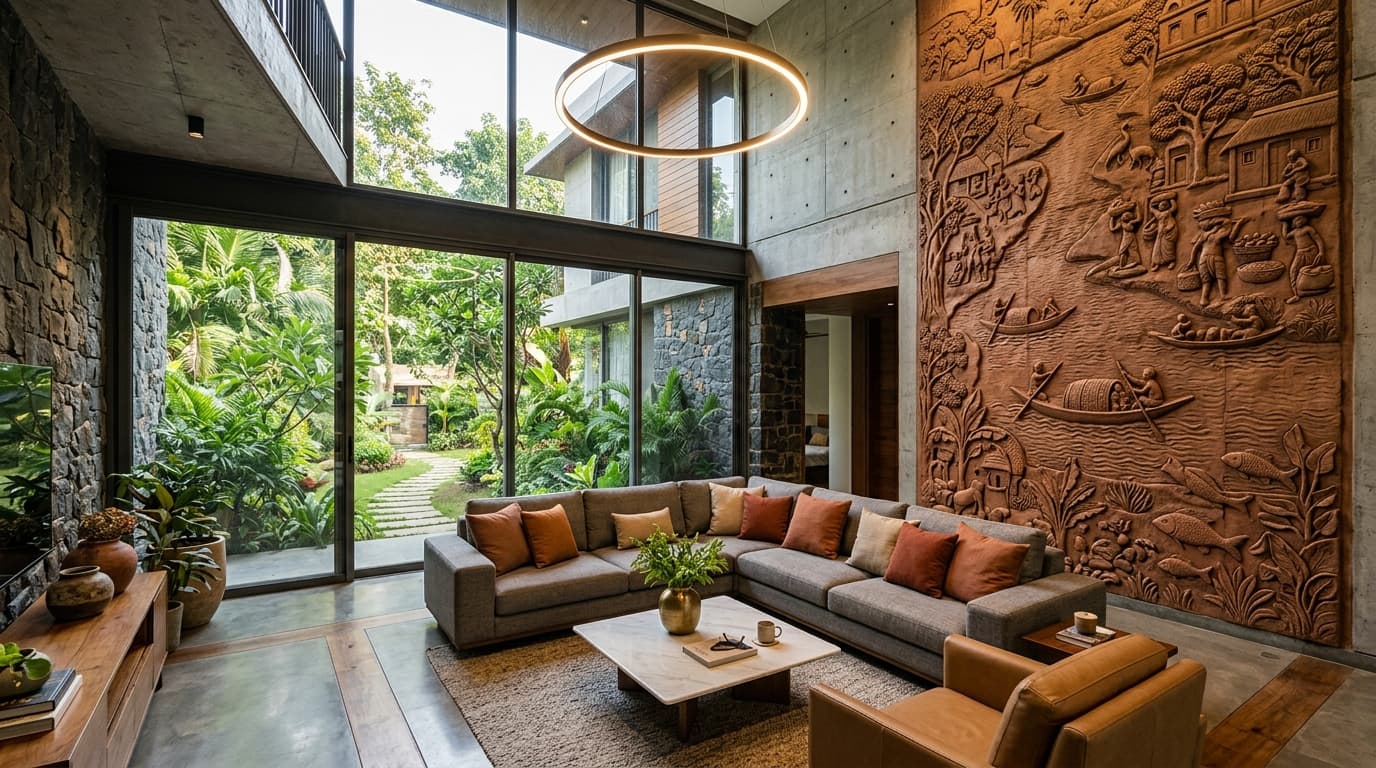
Integrating traditional craft into contemporary architecture is one of the most rewarding design approaches today. It brings narrative, texture, and a sense of place to otherwise sterile spaces. However, the process of commissioning handmade architectural elements—be it a terracotta mural or a carved wooden pillar—differs significantly from ordering factory-made materials.
This guide outlines the fundamental considerations for architects and designers looking to successfully collaborate with rural artisans.
Understanding Lead Times and Seasonality
The most crucial adjustment for a modern design studio is understanding that traditional craft is inextricably linked to nature. Terracotta production, for instance, comes to a complete halt during the four months of the Indian monsoon. The clay cannot dry, and the open-air kilns cannot be fired.
Best Practice: When specifying terracotta murals, initiate the design dialogue at least six months before the required site delivery. Account for the weather in your project timelines. A delay in the rains means a delay in the firing process.
The Art of the Brief
Artisans possess generations of intuitive spatial intelligence, but they do not read AutoCAD drawings. Presenting a rural craftsman with a highly technical, dimension-perfect blueprint often leads to confusion and stifles their natural creative flow.
Best Practice: Provide the overarching dimensions, the structural constraints, and the thematic direction, but leave room for interpretation. Use reference images and physical maquettes rather than technical elevations. Allow the artisan to dictate the internal proportions of the artwork—their eye for balance is often superior to a computer algorithm.
Tolerances and Imperfections
The beauty of handmade craft lies in its lack of uniformity. Hand-fired terracotta tiles will not have perfectly straight edges, and natural dyes will exhibit slight tonal variations from batch to batch.
Best Practice: Do not design for zero-tolerance installation. When creating niches for terracotta panels, allow for a margin of error. Embrace the "wabi-sabi" nature of the material. Educate your clients early in the process that these variations are not defects, but the very signature of the human hand.